What Is a Rug Pull in NFTs? (Beginner Safety Guide)
A rug pull is one of the most common fears beginners have in NFTs — and for good reason. Many people hear the term but don’t fully understand what a rug pull in NFTs actually is, how it happens, or how to spot warning signs early.
In this guide, we’ll explain what a rug pull is in NFTs, how rug pulls work, the most common red flags, and how beginners can protect themselves before buying.
No drama. No hype. Just clarity.
👉 Learn how to research safely using beginner-friendly NFT wallets
Using a secure wallet setup and good habits helps you avoid risky links, fake marketplaces, and rushed approvals — and makes your due diligence process much safer.
What Is a Rug Pull in NFTs?
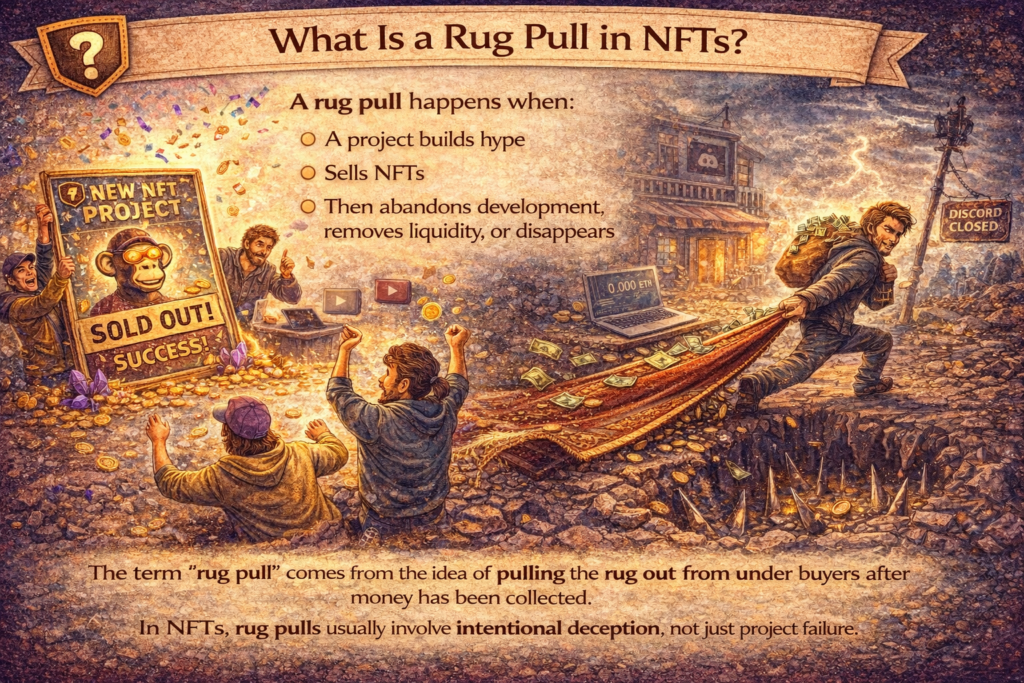
A rug pull happens when:
- A project builds hype
- Sells NFTs
- Then abandons development, removes liquidity, or disappears
The term “rug pull” comes from the idea of pulling the rug out from under buyers after money has been collected.
In NFTs, rug pulls usually involve intentional deception, not just project failure.
How Rug Pulls Work in NFT Projects
Most NFT rug pulls follow a predictable pattern:
- A project launches with strong marketing
- Social media hype builds quickly
- A mint sells out (or nearly sells out)
- Developers go silent or disappear
- Promised features never arrive
- Community access is restricted or closed
Once the funds are collected, there’s no incentive to continue.
Common Types of NFT Rug Pulls
1️⃣ Abandoned Development Rug Pulls
The team:
- Stops building
- Stops communicating
- Delivers nothing promised
This is the most common type.
2️⃣ Liquidity Drain Rug Pulls
The project:
- Removes liquidity
- Dumps NFTs or tokens
- Crashes the floor price
Buyers are left unable to sell.
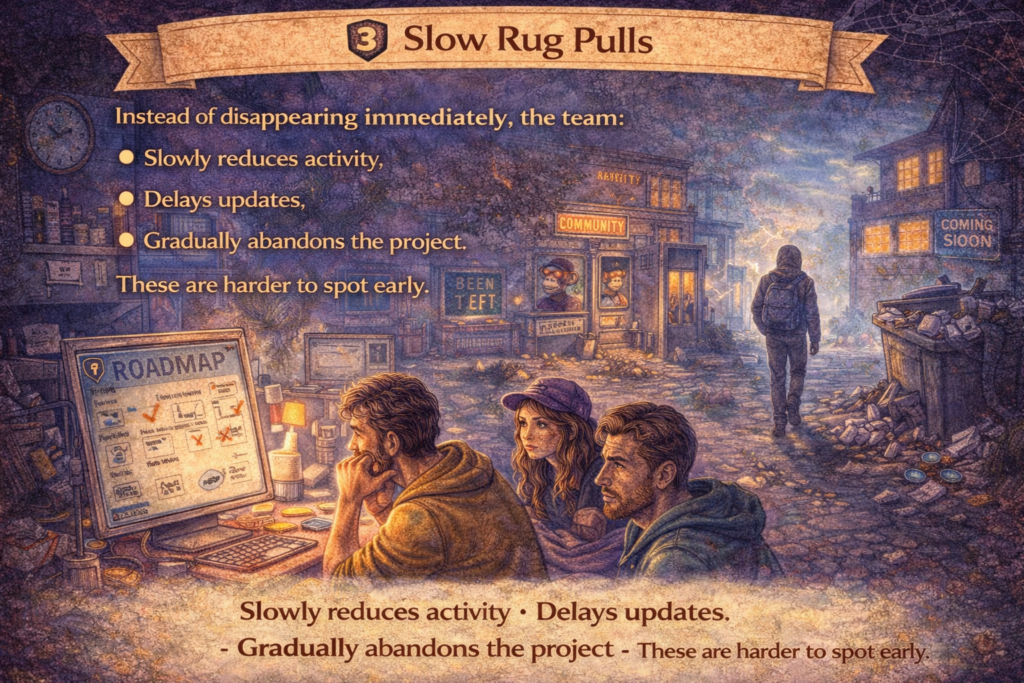
3️⃣ Slow Rug Pulls
Instead of disappearing immediately, the team:
- Slowly reduces activity
- Delays updates
- Gradually abandons the project
These are harder to spot early.
Key Warning Signs of a Potential Rug Pull
Beginners should watch for:
- Anonymous teams with no explanation
- No clear roadmap or vague promises
- Unrealistic goals or guaranteed profits
- Pressure to mint quickly
- Mods deleting questions
- Sudden silence after mint
One red flag alone isn’t proof — patterns matter.
Is Every Failed NFT Project a Rug Pull?
No — and this is important.
Some projects:
- Start with good intentions
- Lose momentum
- Run out of funds
- Fail to deliver
Failure ≠ scam.
The difference is intent.
Rug pulls involve deception from the start.
👉 Related reading: How to Check If an NFT Project Is Legit
How Rug Pulls Target Beginners
Rug pulls succeed because:
- Projects look professional
- Social media appears active
- Hype creates urgency
- Beginners don’t know what “normal” looks like
Scammers rely on emotion, not technical tricks.
How to Protect Yourself From NFT Rug Pulls
Beginners can reduce risk by:
- Researching the team and roadmap
- Observing community behaviour
- Avoiding rushed decisions
- Verifying contracts and marketplaces
- Understanding common scam patterns
👉 Start here: NFT Due Diligence Checklist
👉 Learn the patterns: Most Common NFT Scams
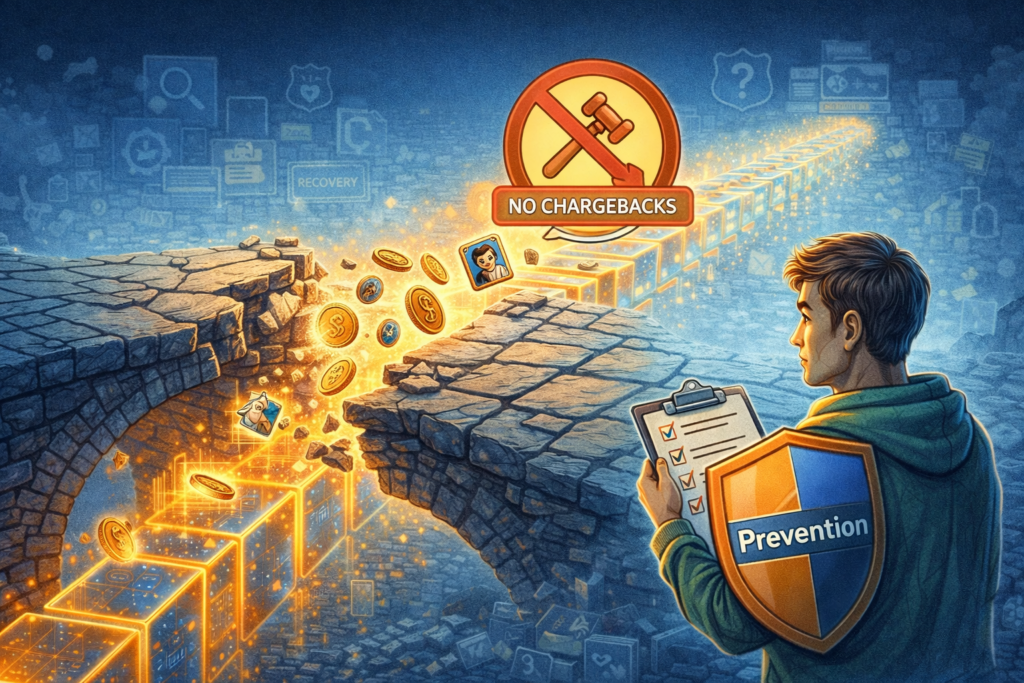
Can You Recover Money From a Rug Pull?
In most cases:
- Funds are not recoverable
- Transactions are irreversible
- There are no chargebacks
The focus should always be prevention, not recovery.
Rug Pulls vs Other NFT Scams
Rug pulls are different from:
- Fake giveaways
- Wallet drainers
- Phishing links
Those rely on malicious transactions.
Rug pulls rely on false trust.
👉 Related: How Wallet Drainers Steal NFTs
So… What Is a Rug Pull in NFTs?
To summarise:
- A rug pull is intentional abandonment after funds are collected
- Most follow predictable hype → mint → silence patterns
- Not all failed projects are scams
- Understanding red flags dramatically reduces risk
Knowing what a rug pull in NFTs is helps beginners avoid one of the most painful mistakes in the space.
Where to Go Next
To stay safe long-term, continue here:
👉 How to Check If an NFT Project Is Legit
👉 NFT Security Checklist for Beginners