
How to Avoid Fake NFT Marketplaces (Beginner Safety Guide)
Fake NFT marketplaces are one of the most dangerous traps for beginners — because they often look almost identical to real ones.
Last reviewed: September 2026
Many NFT losses don’t happen because people buy bad projects.
They happen because users unknowingly connect their wallet to a fake marketplace and approve malicious transactions.
In this guide, you’ll learn how to avoid fake NFT marketplaces, how they work, the warning signs to watch for, and how beginners can protect themselves before connecting a wallet.
No fear. Just awareness.
What Is a Fake NFT Marketplace?#
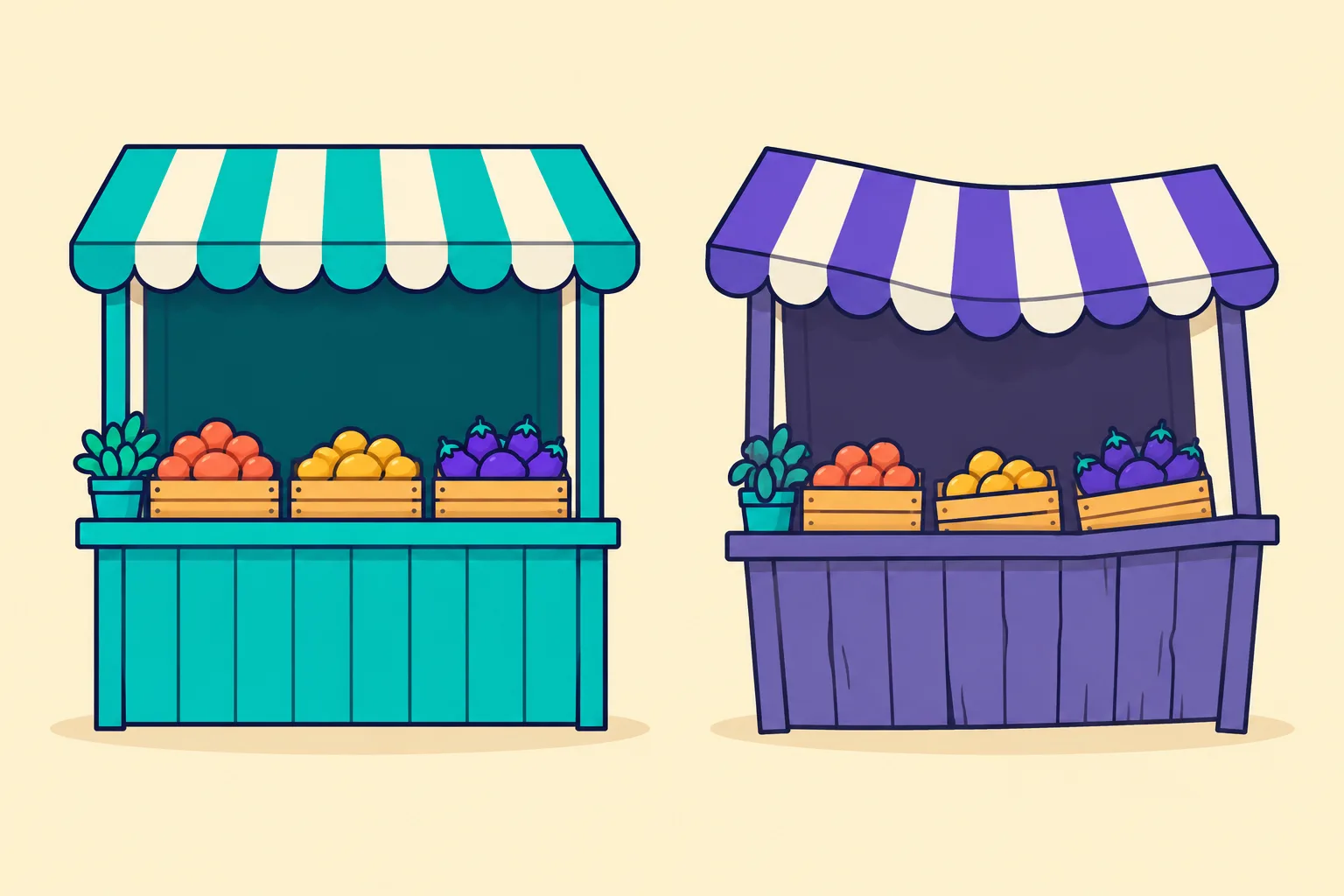
A fake NFT marketplace is a malicious website designed to impersonate a legitimate NFT platform.
Its goal is to:
- Trick users into connecting their wallet
- Get approvals signed
- Drain NFTs or tokens

These sites don’t sell real NFTs — they steal assets.
Why Fake NFT Marketplaces Are So Effective#
Fake marketplaces work because:
- They look professional
- URLs are almost identical to real sites
- Branding is copied perfectly
- Listings appear realistic
Beginners often assume:
“If it looks real, it must be safe.”
That assumption is what scammers exploit.
Common Ways Users End Up on Fake Marketplaces#
Most victims arrive via:
- Discord links
- Twitter replies
- DMs offering “exclusive listings”
- Fake airdrops or giveaways
- Sponsored ads
Related: How Fake NFT Giveaways Work
Legitimate marketplaces do not DM users.
How to Spot a Fake NFT Marketplace#
Here are the biggest red flags beginners should look for.
Look-Alike URLs#
Fake sites often use:
- Misspellings
- Extra characters
- Different domain endings
Always double-check the URL carefully.
Wallet Connection Pressure#
Be cautious if a site:
- Forces wallet connection immediately
- Blocks content until you connect
- Prompts unexpected approvals
Real marketplaces don’t rush you.
Fake Listings or Cloned Collections#
Scammers often:
- Clone popular NFT collections
- Display fake floor prices
- Copy real artwork
Always verify the contract address on a trusted source.
Strange Wallet Prompts#
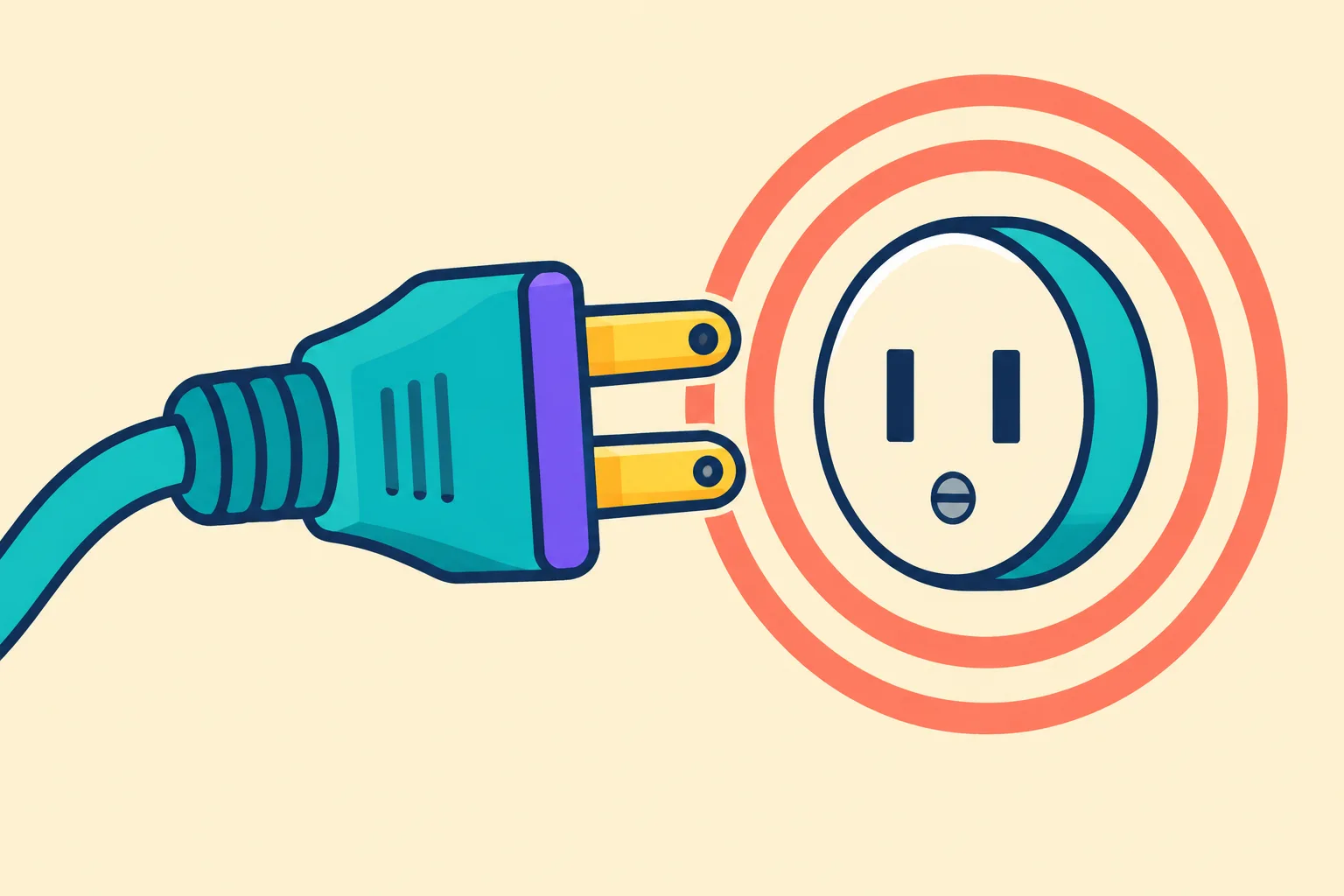
If your wallet asks to:
- Approve unlimited token access
- Transfer NFTs unexpectedly
- Sign unfamiliar transactions
Stop immediately.
For what a drained approval looks like, see how wallet drainers steal NFTs.
How to Verify a Legitimate NFT Marketplace#
Before connecting a wallet:
- Visit the marketplace manually (type the URL)
- Confirm the domain via multiple sources
- Check social links from official project pages
- Compare contract addresses
- Look for real trading activity
If something feels off — pause.
Why Wallet Choice Matters When Avoiding Fake Marketplaces#
Some wallets:
- Warn about dangerous approvals
- Display transaction details clearly
- Make revoking permissions easier
Your wallet is your last line of defence.
What to Do If You Think You Used a Fake Marketplace#
Act quickly:
- Disconnect your wallet
- Revoke all recent permissions
- Monitor wallet activity
- Move assets to a fresh wallet if needed
If the worst has happened, see what to do if your NFT wallet is compromised.
Speed matters.

Fake Marketplaces vs Rug Pulls: What’s the Difference?#
- Fake marketplaces steal assets via malicious transactions
- Rug pulls collect money then abandon projects
Both rely on trust — but the mechanics are different.
For the slow-drain variant, see what a rug pull in NFTs is.
So… How Do You Avoid Fake NFT Marketplaces?#
To summarise:
- Never trust DM links
- Verify URLs manually
- Check contract addresses
- Watch wallet prompts carefully
- Use a beginner-friendly wallet
- Revoke permissions regularly
Knowing how to avoid fake NFT marketplaces prevents some of the most devastating beginner losses.
For a venue-by-venue check before you connect a wallet, our sister site keeps an evidence-based marketplace legitimacy checklist — the same checks its registry applies to every venue it lists.
What to read next#
For the full protection routine, see the NFT security checklist for beginners and most common NFT scams.
Those guides complete your safety foundation.
What to read next#
- What Is a Rug Pull in NFTs? (Beginner Safety Guide)
- How Fake NFT Giveaways Work (And How to Avoid Them)
- NFT Security Checklist for Beginners (Protect Your Wallet & NFTs)
- How Wallet Drainers Steal NFTs (And How to Avoid Them)
- What to Do If Your NFT Wallet Is Compromised (Step-by-Step Guide)
- Most Common NFT Scams (Updated Beginner Guide)
- Is This Venue Safe?