Can NFTs Be Stolen After You Buy Them? (Safety Explained)
One of the most common beginner fears in NFTs is simple — and completely valid:
Last reviewed: September 2026
Can NFTs be stolen after you buy them?
The short answer is yes — but not in the way most people imagine.
NFTs aren’t stolen randomly, and blockchains aren’t “hacked” like email accounts. In almost every case, NFT theft happens because of permissions, behaviour, or scams — not technical failures.
This guide explains how NFTs can be stolen after you buy them, what actually causes theft, and how beginners can stay safe long-term.
No panic. Just clarity.
Can NFTs Be Stolen After You Buy Them?#
Yes — NFTs can be stolen after you buy them, but only if access is granted.

NFTs are stored in your wallet and controlled by blockchain permissions.
They cannot be taken unless:
- You approve a malicious transaction
- You connect your wallet to a fake site
- Your wallet is compromised
- Dangerous permissions are left active
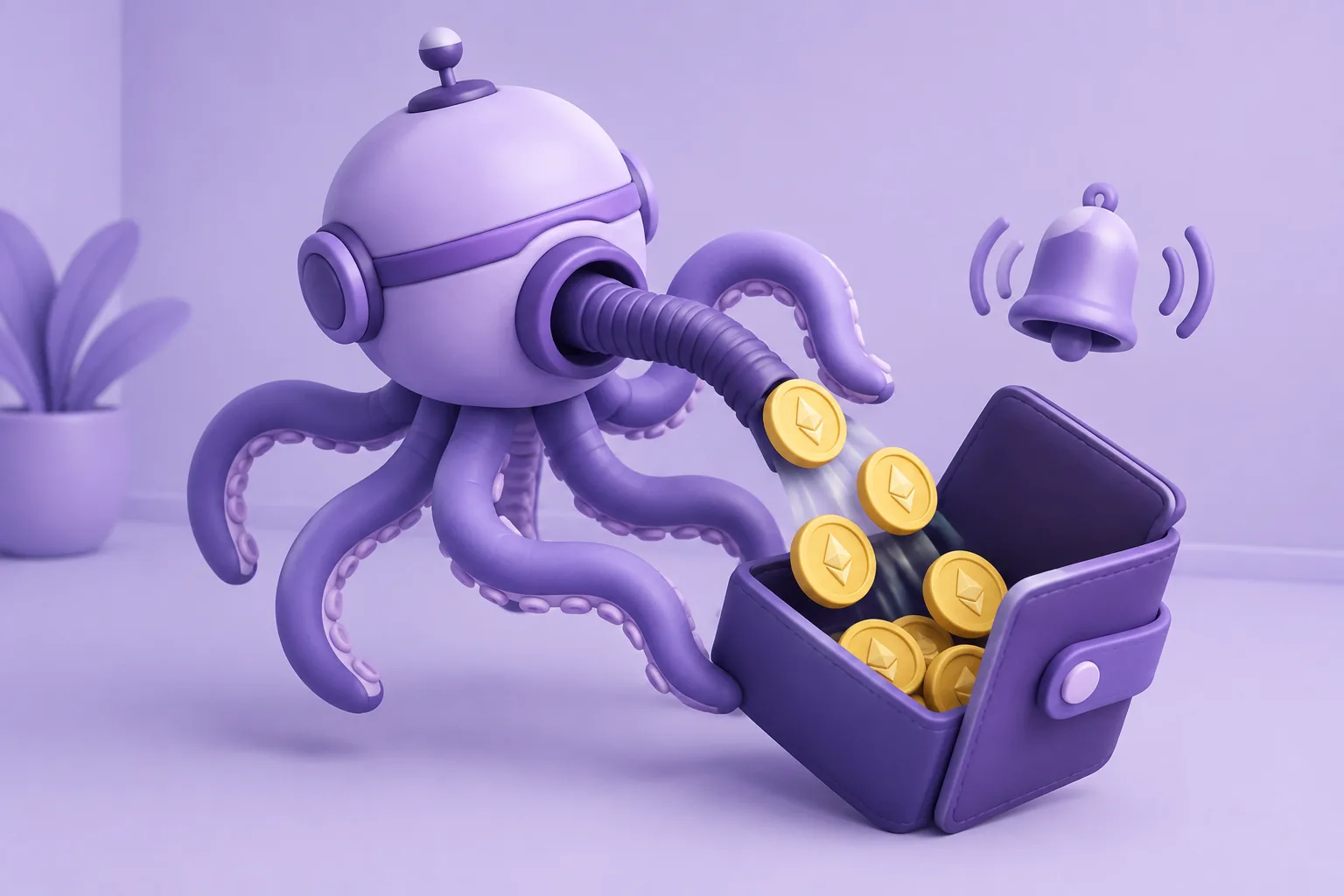
There is no random NFT theft.
How NFTs Actually Get Stolen#
Understanding how NFT theft happens removes most of the fear.
1 Wallet Drainers#
Wallet drainers are malicious contracts that steal assets after approval.
How to check yours: drainers need a signature or approval you granted — review what your wallet has already approved and revoke anything you do not recognise: How to Revoke Smart Contract Approvals.
They often appear via:
- Fake giveaways
- Fake marketplaces
- Impersonated links
For the mechanism in full, see how wallet drainers steal NFTs.
2 Fake NFT Marketplaces#
Fake marketplaces impersonate real platforms to trick users into:

- Connecting wallets
- Signing approvals
- Transferring NFTs or tokens
How to check yours: bookmark the official marketplace URL and always navigate from that bookmark — not from search results or links sent in messages.
For avoiding the fake-storefront variant, see how to avoid fake NFT marketplaces.
3 Forgotten Wallet Permissions#
Permissions don’t always expire.
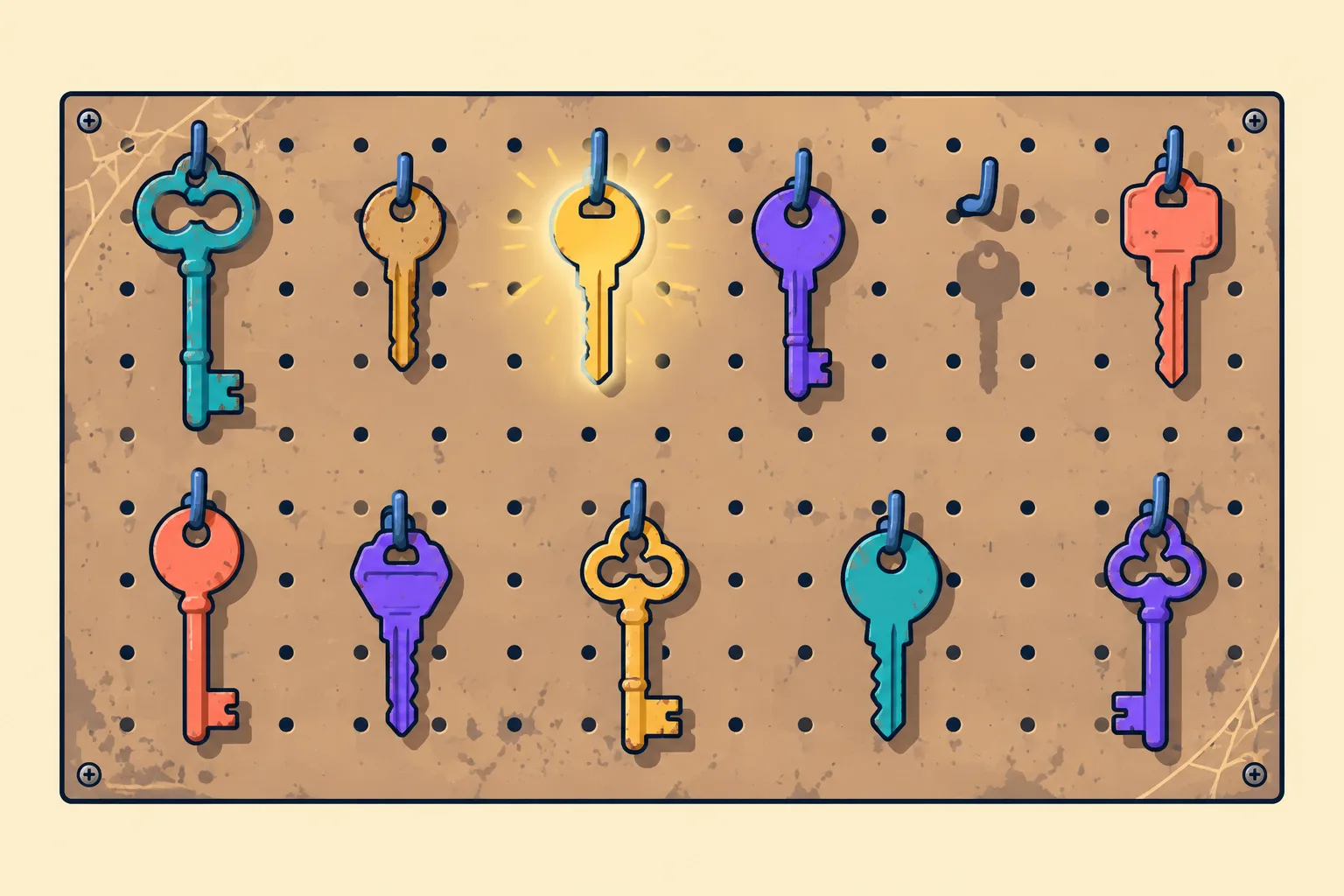
How to check yours: a monthly review of active approvals takes minutes — see How to Revoke Wallet Permissions Safely.
Old approvals can:
- Allow NFT transfers
- Enable token drains
- Be exploited later
What to do: How to Revoke Wallet Permissions Safely
4 Compromised Wallets#
If your wallet is compromised, assets may move without your intent.
Signs include:
- Missing NFTs
- Unapproved transactions
- Unexpected approvals
How to check yours: watch for transactions you did not authorise and unexpected approval prompts — see How to Monitor Wallet Activity.
For the emergency steps, see what to do if your NFT wallet is compromised.
Can Someone Steal an NFT Without Your Approval?#
No.
NFTs cannot be stolen without:
- A signed transaction
- An approved permission
- Wallet access via compromise
This is why scammers focus on tricking users, not hacking blockchains.
Are NFTs Safe After You Buy Them?#
NFTs are safe if you manage your wallet properly.
Most losses happen because:
- Users rush
- Warnings are ignored
- Permissions aren’t reviewed
- Fake sites are trusted
Security is behavioural, not technical.
What Happens If an NFT Is Stolen?#
In most cases:
- Transactions are irreversible
- NFTs cannot be recovered
- There are no chargebacks
Prevention matters more than recovery.
How Beginners Can Protect Their NFTs#
Cautious beginners:
- Use secure, beginner-friendly wallets
- Avoid unsolicited links
- Verify marketplaces manually
- Review wallet permissions regularly
- Never rush transactions
Your wallet habits matter more than any tool.
If You Think Something Is Wrong — First Steps#
If you notice an NFT missing, an approval prompt you did not expect, or a transaction you do not recognise:
- Stop interacting — do not sign anything else.
- Review and revoke any approvals you do not fully recognise.
- Move unaffected assets to a fresh wallet with a new recovery phrase.
- Follow the full recovery guide: what to do if your NFT wallet is compromised.
Speed matters, but order matters more: secure what is left first, investigate second.
Common Beginner Myths About NFT Theft#
- NFTs are hacked randomly
- Blockchains are insecure
- Theft happens without warning
- Theft happens through approval
- Scams follow patterns
- Awareness prevents most losses
So… Can NFTs Be Stolen After You Buy Them?#
To summarise:
- Yes, NFTs can be stolen
- No, not randomly
- Theft requires permission or compromise
- Most losses are preventable
Understanding how NFTs get stolen is the strongest protection you can have.
What to read next#
Those guides complete your safety foundation.
What to read next#
- How to Monitor Wallet Activity (Beginner’s Guide to NFT Safety)
- How to Revoke Wallet Permissions Safely (Beginner Guide)
- How to Revoke Smart Contract Approvals (NFT Wallet Guide)
- NFT Security Checklist for Beginners (Protect Your Wallet & NFTs)
- How Wallet Drainers Steal NFTs (And How to Avoid Them)
- What to Do If Your NFT Wallet Is Compromised (Step-by-Step Guide)