Which Blockchain Should You Buy NFTs On?
“Which blockchain should I buy NFTs on?” is really three questions wearing one coat: what does it cost to use, where do the collections you actually want live, and which wallet and marketplace will you use? Once those are answered, the chain choice usually makes itself.
Last reviewed: September 2026
Disclosure: some links in this article are affiliate or referral links. If you sign up through one we may earn a commission, at no extra cost to you. It doesn’t affect what we recommend — here’s how we make money.

What the chain choice actually decides#
An NFT lives on one blockchain and can’t casually move to another. Your choice of chain determines four things before you even look at a collection:
- Transaction costs. Every action — buying, selling, transferring — pays a network fee (“gas”) to that chain’s validators. On Ethereum mainnet this varies with congestion and can exceed the price of a cheap NFT; on Solana and Ethereum Layer 2s it’s typically cents or less. What gas fees are explains the mechanics.
- Which wallet you need. Ethereum-family chains share one wallet type (MetaMask, Coinbase Wallet / Base app, Rabby). Solana uses different wallets entirely (Phantom, Solflare). One wallet doesn’t cover both.
- Where you can trade. Marketplaces support specific chains. OpenSea now covers Ethereum, Solana, Base, Polygon and 20+ others; Magic Eden focuses on Solana NFTs after narrowing in March 2026.
- Resale liquidity. Ethereum and Solana carry most collector activity; smaller chains can mean thinner markets when it’s time to sell.
The realistic shortlist#
Dozens of chains technically host NFTs. For an Australian beginner, four cover almost everything worth buying:
Ethereum — the default catalogue#
The largest and oldest NFT ecosystem: most blue-chip collections, the deepest marketplaces, the broadest tool support. The trade-off is gas — mainnet fees swing with congestion and can be punishing on small purchases. Best when the collection you want only exists here.
Solana — cheap and fast, its own tooling#
Fees of fractions of a cent and near-instant confirmation make low-priced collecting practical — which is why Solana hosts much of the market’s active trading and its own vibrant art scene. It needs a Solana wallet and has its own native marketplaces (Magic Eden, Tensor), though OpenSea added Solana NFT support on 31 August 2026, so the same platform now covers both worlds. Our Solana buying walkthrough covers the full path.
Base — Ethereum’s budget lane#
A Layer 2 secured by Ethereum with fees typically under a cent. Your existing Ethereum wallet works unchanged, Coinbase on-ramps are straightforward, and it’s supported on OpenSea — a practical home for inexpensive experiments without leaving the ETH ecosystem. Smaller collection catalogue than mainnet.
Polygon — the other cheap option#
Long-running Ethereum-compatible chain with low fees and OpenSea support. Its NFT activity has thinned relative to Base and Solana, but it still hosts brand and gaming drops. Worth using when the collection you want lives there — not a destination in itself for most beginners.
How to actually choose#
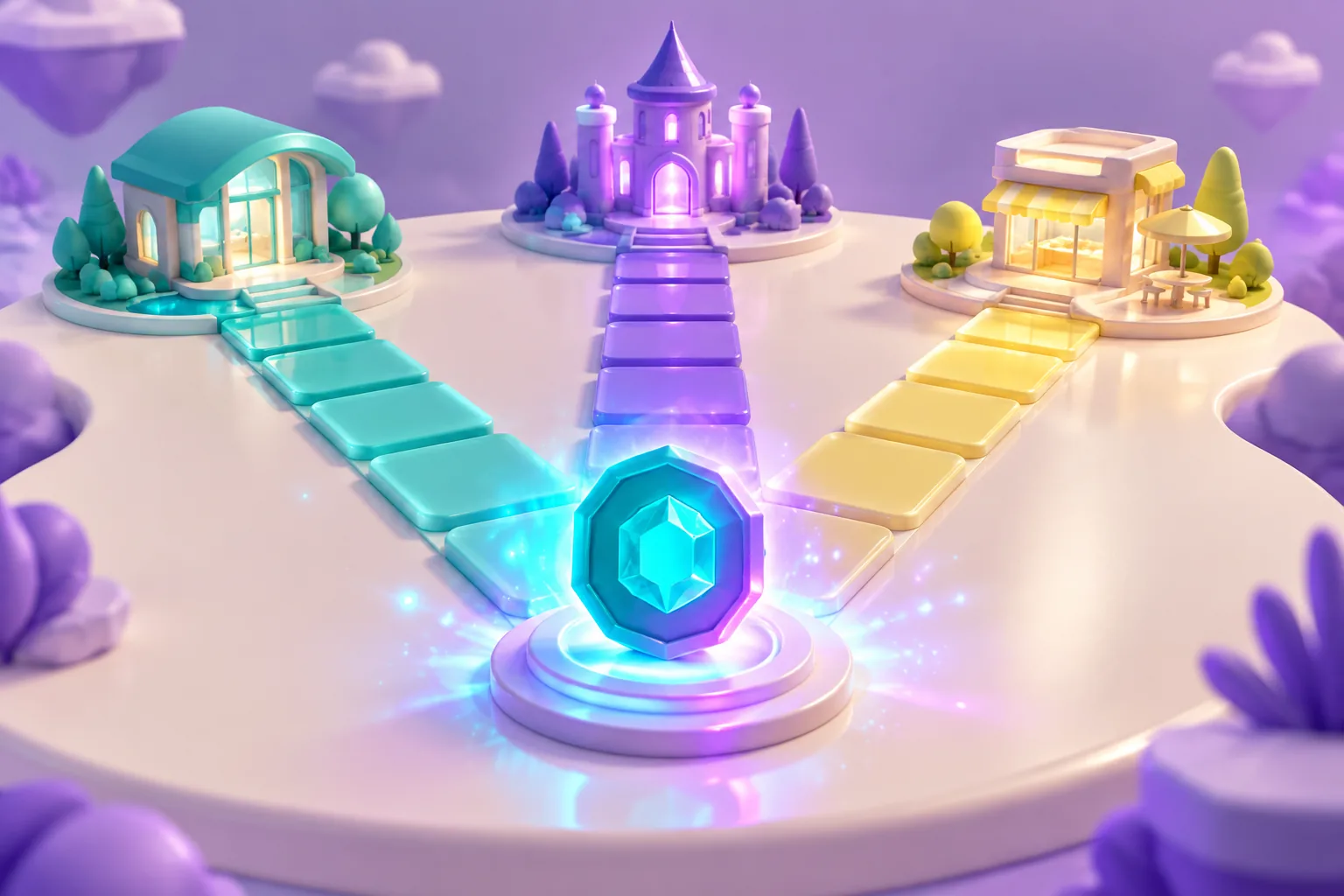
Work backwards from what you want to do:
- You have a specific collection in mind — buy it on whatever chain it natively lives on. You don’t get to choose.
- You want the cheapest possible first purchase — Base or Polygon keeps fees near zero while you learn the mechanics.
- You’re drawn to Solana’s art scene or low-priced trading — set up a Solana wallet properly; our walkthrough covers it end to end.
- You want the widest catalogue and established collections — Ethereum mainnet, accepting that gas is part of the purchase price.
One rule about bridges#
Bridges move assets between chains — and they’re where beginners lose money. Phishing sites impersonate bridge interfaces, wrapped assets confuse wallets, and a bridged NFT often loses the utility and provenance it had on its home chain. As a beginner: buy the NFT on the chain it lives on, in the wallet that chain expects. Don’t bridge to save gas; choose the cheaper chain before you buy instead.
The bottom line#
There’s no single right chain — there’s the chain your target collection lives on, the fee level that fits your budget, and the wallet you’re willing to learn. Most Australians starting out end up with one Ethereum-family wallet for mainnet/Base/Polygon and, if the art or prices pull them there, a separate Solana wallet. Pick the ecosystem that matches what you actually want to buy, learn its safety habits first (scams worth knowing), then buy small.
What to read next#
- How to Buy Solana NFTs
- How to Buy an NFT on OpenSea (Step-by-Step)
- What Are Gas Fees in NFTs?
- Best NFT Marketplaces for Beginners
- Best NFT Wallets for Beginners
- I Received a Random NFT — Is It Safe?
Common questions#
Which blockchain has the cheapest fees for NFTs?
Solana and Ethereum Layer 2s (Base, Polygon, Arbitrum) — transactions cost cents or less. Ethereum mainnet gas varies with congestion and can exceed the price of a cheap NFT at busy times.
Can I move an NFT to a different blockchain later?
Not casually — an NFT lives on the chain it was minted on. Bridging tools exist but carry contract and custody risk; treat the mint chain as permanent when choosing.
Which blockchain is best for a first NFT purchase?
Start where the collection you actually want lives — chain choice follows the collection. If you are experimenting, a low-fee chain (Solana or an Ethereum L2) keeps the cost of early mistakes small.
Does the chain decide which marketplace I can use?
Yes — each marketplace supports a specific set of chains. Ethereum and its L2s have the widest marketplace coverage; Solana trades mainly on Solana-native venues; Ronin assets trade on the Ronin market.
Is Ethereum still the default for NFTs?
For high-value collections and tooling, mostly — the deepest liquidity and oldest established projects live on Ethereum mainnet. For cheaper everyday trading, the action has largely moved to Ethereum L2s and Solana.