Can You Screenshot an NFT? What You Actually Own
Yes — anyone can screenshot or right-click-save an NFT’s image. What they can’t screenshot is the token: the on-chain record that says who owns it.
Last reviewed: September 2026
This is the most common objection beginners raise about NFTs, and it deserves a straight answer rather than a dismissal. (If you’re still building the basics, what an NFT is covers the fundamentals first.)
What a screenshot actually captures#
A screenshot copies the image file — the artwork, the JPEG, the pixels. That’s genuinely free to copy, and nothing about an NFT technically prevents it. Anyone can screenshot the image, set it as a wallpaper, or repost it.
What a screenshot doesn’t copy is the token — the entry on the blockchain that records which wallet holds the NFT and its history. The token is the asset; the image is media attached to it.
What the NFT actually is#
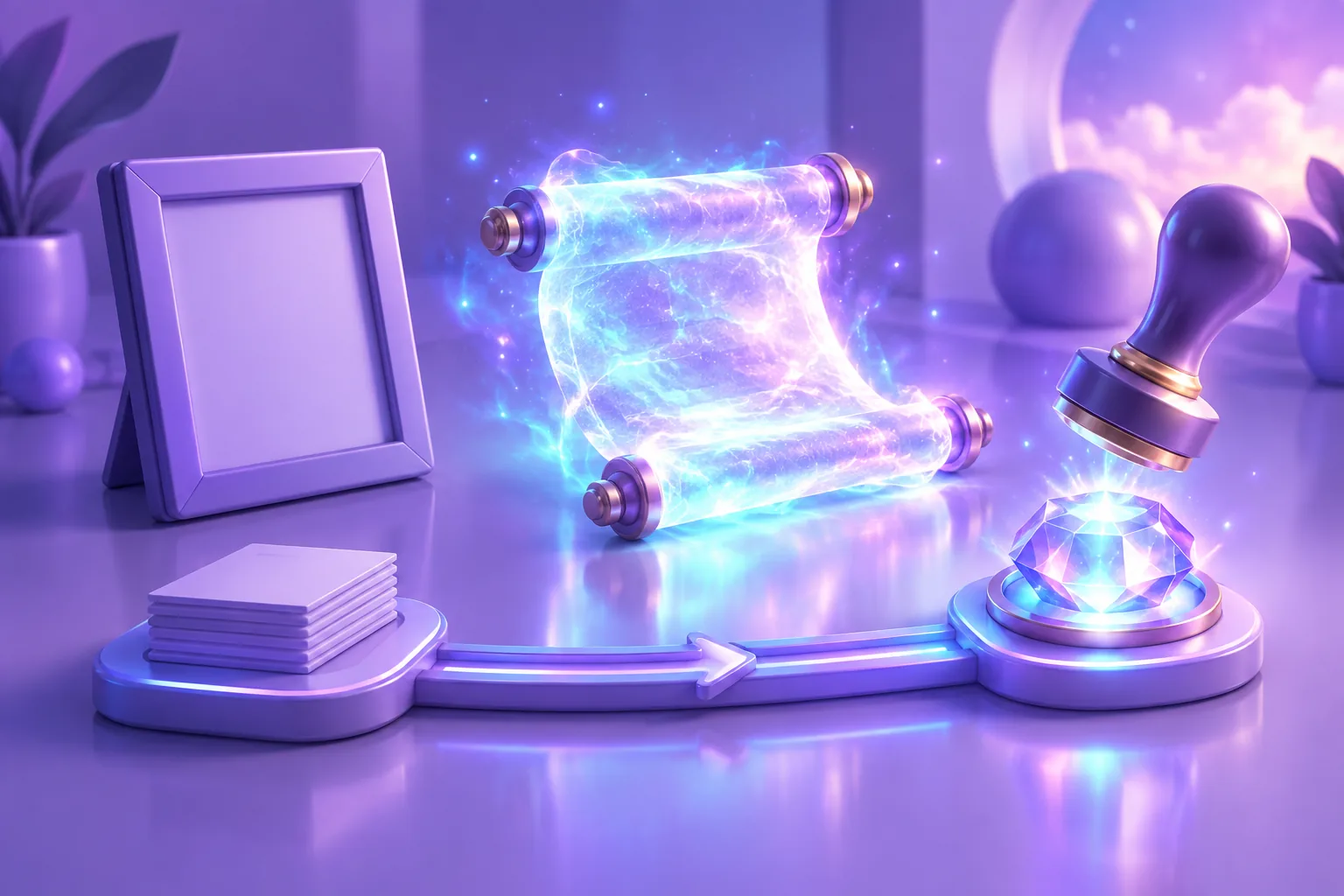
An NFT is a record on a public ledger that links a specific token to a specific wallet. That record carries things a screenshot can’t:
- Provenance — the full history of who created it and who has owned it, publicly checkable
- Ownership — which wallet currently controls it, enforced by the blockchain rather than by a website
- Transferability — the holder can sell or move the token itself; a screenshot can’t be “sold” because it isn’t the thing anyone traded
A useful comparison: anyone can photograph a signed first edition, but the photo isn’t a signed first edition. The image is copyable; the signed object — the thing with provenance — isn’t.

What Does the Buyer Actually Get?#
- A token they can verify, hold, transfer or sell
- Whatever the project attaches to holding it — community access, membership, further drops
- A public record of owning that item rather than a copy of it
Whether that bundle is worth paying for is a separate question — can you lose money with NFTs covers the value side honestly.
Where the skepticism is fair#
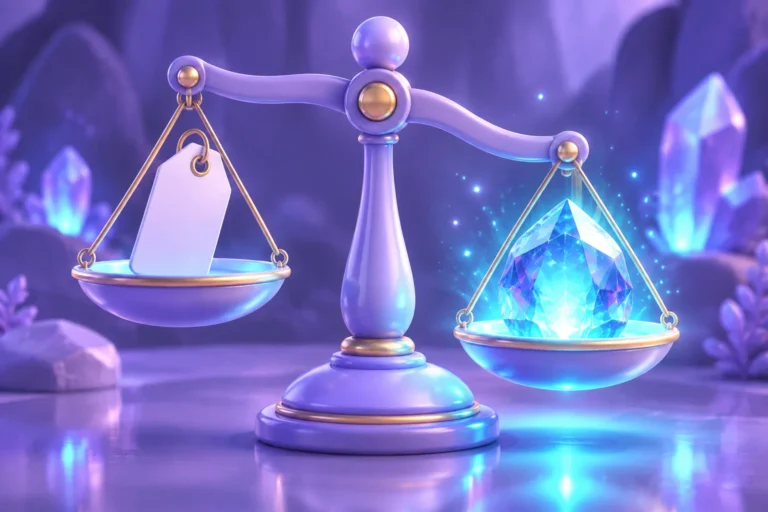
It is fair to say the media itself isn’t scarce. NFT value is socially enforced — the token’s worth comes from provenance and from a community or market that cares about it. If a project disappears, the token still exists on-chain but demand for it may not. A screenshot doesn’t fake any of that, but it also means the “I paid for pixels” critique has a real edge: you paid for the token, and you should be clear-eyed about that before buying.
The related confusion#
Screenshotting someone’s NFT art is different from minting it — re-uploading a copied image as your own NFT is a separate problem (projects do get copied; checking a project is legit covers verifying the real collection). And for the deeper question of what ownership legally means — do you actually own an NFT goes into it.
Bottom line#
You can screenshot the image; you can’t screenshot the token, the provenance, or the ability to sell it. The copyable part was never the scarce part — and knowing that distinction is the difference between understanding NFTs and bouncing off them.
Affiliate Disclosure#
Some of the links on this page may be affiliate links. This means that if you choose to sign up or make a purchase through these links, NFT Universe may earn a commission at no additional cost to you.
We only recommend wallets, exchanges, and tools that we believe are reputable and useful for NFT users. All opinions expressed on this site are our own, and affiliate relationships do not influence our recommendations.