
What Is NFT Metadata? (Token, Image and Storage Explained)
When you buy an NFT, what lands in your wallet is not a picture — it is a token that points to information. That information is the metadata: the name, description, traits and image link that make “your” NFT what it is. Understanding where metadata lives explains most of what can go right — and wrong — with NFT ownership.
Last reviewed: September 2026
What metadata actually is#
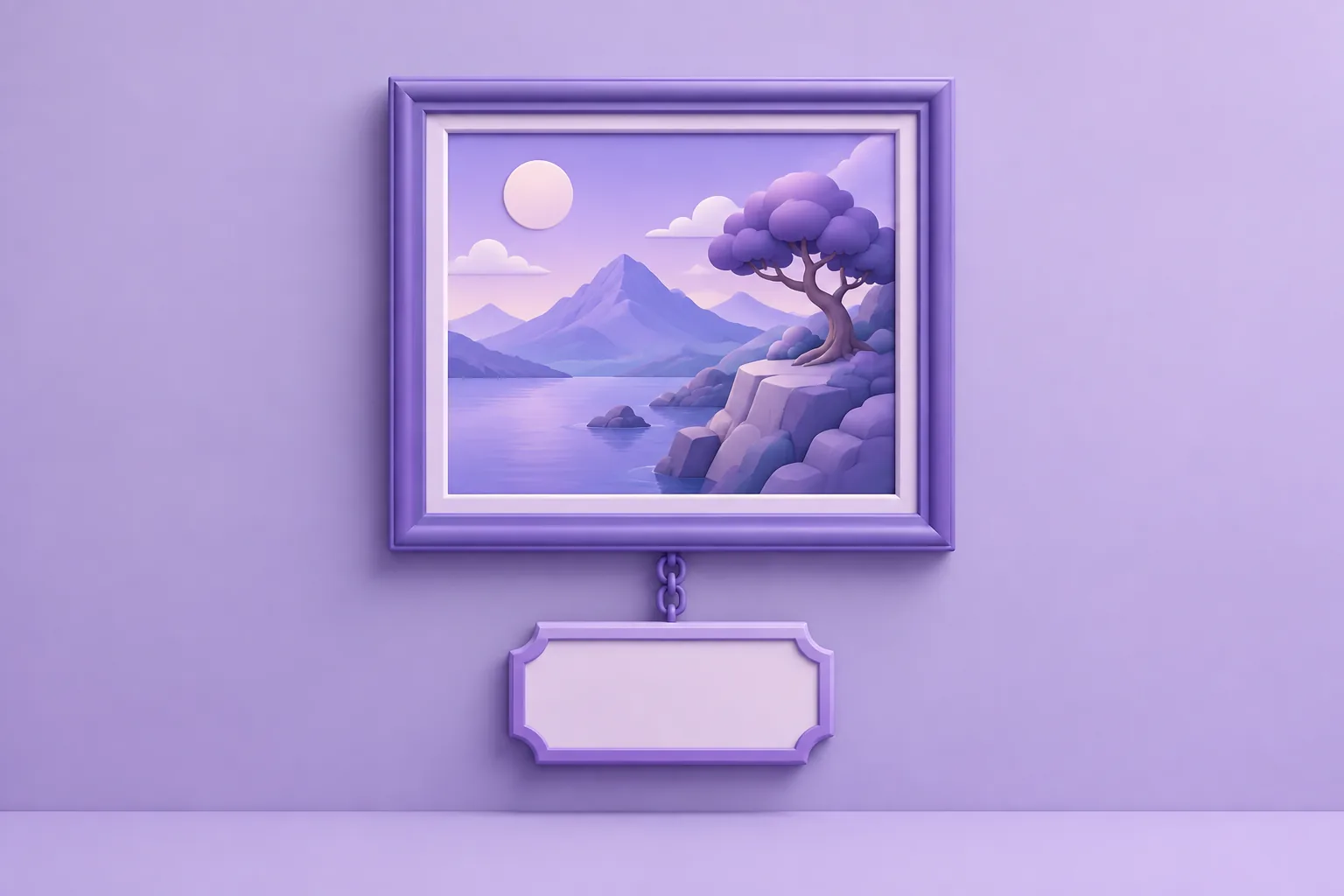
Metadata is a small data file describing the token. A typical NFT metadata record contains:
- Name — e.g. “Collection #1234”
- Description — the project’s text about the piece
- Image / media link — a URL pointing at the artwork file
- Attributes / traits — the properties rarity tools measure (see NFT rarity explained)
- sometimes extras: animation links, unlockable content, licensing notes
Marketplaces read this file to render everything you see on a token page — the picture, the traits panel, the description. If the metadata is wrong or missing, the NFT displays wrong or as a blank.
The token URI: how the token finds its metadata#
Each NFT’s smart contract stores a token URI — essentially an address saying “the metadata for token #1234 lives here”. The URI usually resolves to a JSON text file, which in turn contains the image link. So the chain of custody is:
- blockchain records that you own token #1234;
- the contract’s token URI says where its metadata is;
- the metadata says where the image is.
Three hops — and only the first is guaranteed permanent.
On-chain vs off-chain storage#
This is the distinction that decides how durable an NFT is:
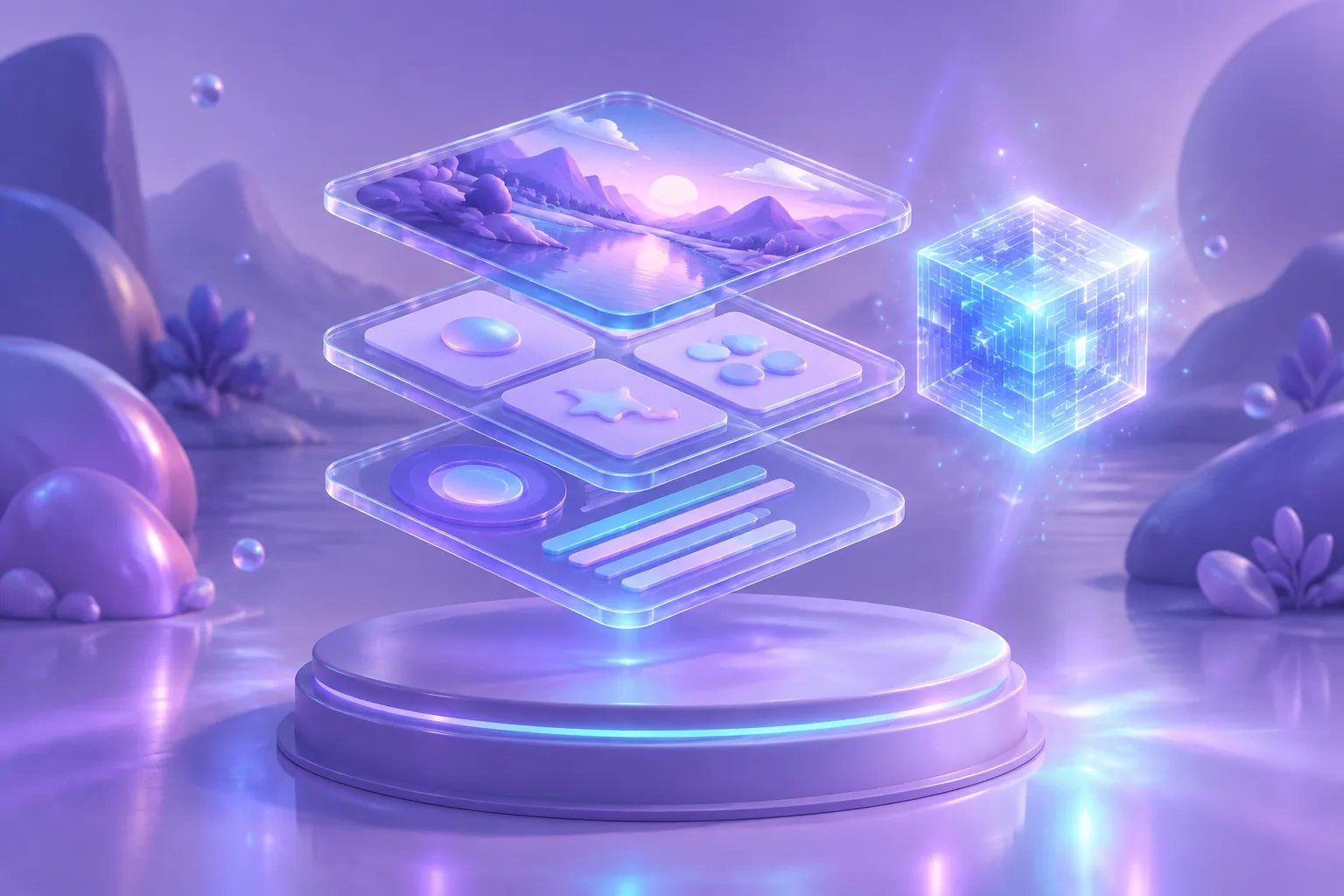
- Fully on-chain — metadata (and sometimes the artwork itself, usually as code or SVG) is stored in the contract. Permanent as long as the chain exists, but expensive, so rare for image-heavy collections.
- Decentralised storage (IPFS, Arweave) — the most common setup: metadata and images sit on content-addressed networks where files are found by their content hash. Reasonably durable, though “IPFS” links still depend on someone pinning the files.
- Ordinary web hosting — metadata on a normal server the project controls. Cheapest and most fragile: if the project stops paying hosting bills — or chooses to change the files — the NFT’s appearance can change or break.
You can check which applies: the token URI visible on an explorer tells you whether metadata lives on-chain, on IPFS (uris starting ipfs://), or on a web domain.
Why storage location matters#
Three real-world consequences:
- Metadata can change. If the URI points somewhere the creator controls, the image and traits behind your token can be edited after you buy. Some projects do this intentionally (reveals, upgrades); it can also be abused.
- Metadata can vanish. Dead projects’ servers go offline, and “dead link” NFTs become blank tokens. The on-chain ownership survives; the visible artwork does not.
- Marketplace display is not ownership. Your wallet proves you own the token — the image is a rendering of whatever the metadata currently says. See do you actually own an NFT.
What to check before buying#
- Look at the contract’s token URI on an explorer: on-chain and IPFS/Arweave storage are the durable options.
- Be cautious of collections whose metadata sits on the project’s own domain — it works, but it lives and dies with the team.
- Expect “unrevealed” mints to change metadata at reveal — that is normal design, not a fault.
- If a collection’s images load inconsistently across marketplaces, weak storage is often why.
Bottom line#
An NFT is a token pointing to metadata pointing to media. Ownership is on-chain; everything else depends on where those pointers land.
Durable storage (on-chain or decentralised) keeps the artwork alive as long as the token; project-hosted storage makes the visible NFT only as permanent as the project paying the bills.