
NFT Wallet Safety & Management: How to Secure, Track & Protect Your NFTs Long-Term
Buying an NFT is only the beginning.
What happens after the purchase is where many beginners lose assets, access, or confidence.
NFT wallet safety isn’t just about choosing the right wallet — it’s about how you manage, protect, and interact with your NFTs over time. Poor wallet habits, rushed approvals, and weak security setups are some of the most common reasons people lose NFTs even after buying legitimate projects.
This guide breaks down NFT wallet safety and management best practices so you can protect your assets long-term and avoid costly mistakes.
If you’re brand new to NFTs, make sure you understand the fundamentals first by reading NFTs for Beginners: A Step-by-Step Guide to Getting Started Safely.
Why NFT Wallet Safety Matters After You Buy
Most NFT losses don’t happen at the mint.
They happen later — when users:
- Approve malicious contracts
- Reuse wallets across risky sites
- Ignore permissions and transaction history
- Store everything in one unsecured wallet
Strong NFT wallet safety habits help you:
- Protect long-term value
- Avoid silent drains and scams
- Maintain control across marketplaces and tools
- Interact with projects confidently
Wallet security is an ongoing process, not a one-time setup.

Common NFT Wallet Mistakes Beginners Make
Before learning best practices, it’s important to know what not to do.
Common mistakes include:
- Using one wallet for everything (minting, trading, storage)
- Blindly approving smart contracts
- Connecting wallets to unverified sites
- Ignoring wallet permissions
- Storing recovery phrases digitally
- Never reviewing transaction history
Many of these risks are covered in detail in NFT Scams to Avoid: A Beginner’s Safety Guide, and they’re especially relevant once you start interacting with multiple projects.
Best Practices for NFT Wallet Safety
1. Separate Wallets by Purpose
One of the strongest NFT wallet safety strategies is wallet separation.
A simple setup might look like:
- Hot wallet: Minting, trading, marketplace activity
- Cold or storage wallet: Long-term NFT holding
- Burner wallet: Testing new platforms or mints
This limits exposure if something goes wrong.
If you’re unsure which wallets are best suited for beginners, refer to Best NFT Wallets for Beginners: Safe & Easy Options to Get Started.
2. Protect Your Recovery Phrase Properly
Your recovery phrase is your wallet.
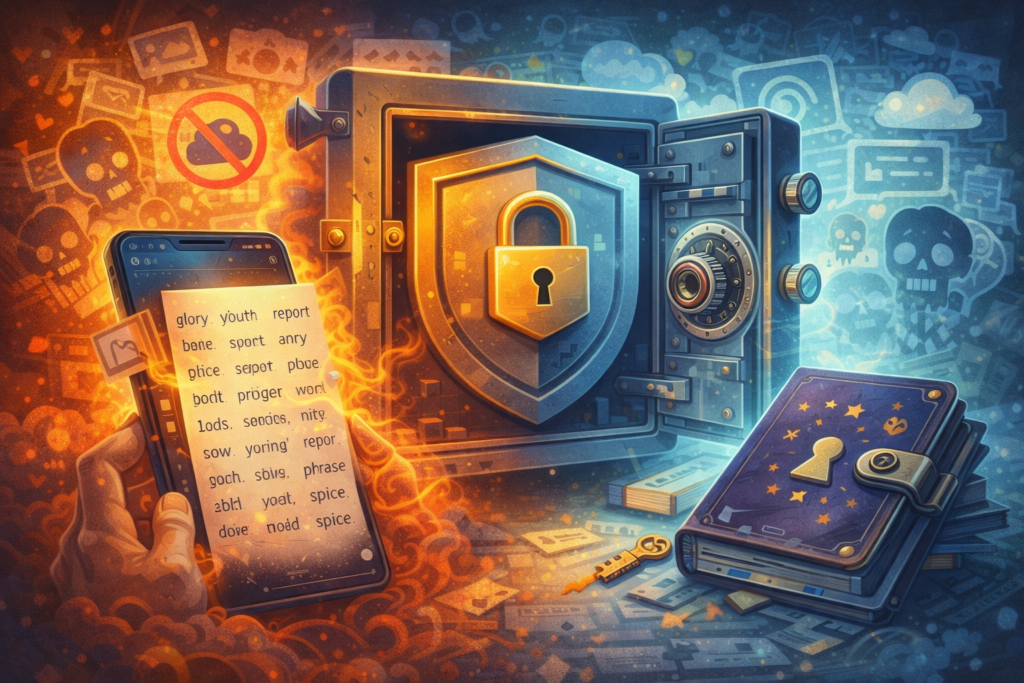
Best practices include:
- Never storing it in screenshots or cloud notes
- Writing it down offline
- Storing copies in separate secure locations
- Never sharing it with anyone — ever
No legitimate project, support team, or tool will ask for it.
3. Review and Revoke Wallet Permissions Regularly
Every time you approve a smart contract, you’re granting permissions — sometimes permanently.
Good NFT wallet management includes:
- Reviewing active approvals
- Revoking unused or suspicious permissions
- Being cautious with “unlimited” approvals
Many tracking and security tools can help monitor this, which is why experienced users rely on platforms covered in Best NFT Tools for Beginners: Track, Analyse & Research NFTs.
4. Verify Links Before Connecting Your Wallet
Fake websites and mirrored pages are one of the biggest NFT threats.
Always:
- Bookmark official sites
- Double-check URLs
- Avoid links from DMs or comments
- Verify announcements through official channels
If something feels rushed or urgent, pause — that’s often a red flag.
Managing NFTs Across Marketplaces Safely
As you buy, sell, or transfer NFTs, your wallet will interact with multiple marketplaces and tools.
To manage this safely:
- Confirm marketplace authenticity
- Check contract addresses before listing or buying
- Avoid connecting wallets to unfamiliar clones
- Monitor transaction history after every interaction
This is especially important when moving between marketplaces discussed in Best NFT Marketplaces for Beginners: Safe Places to Buy Your First NFT.
Tracking and Monitoring NFTs Over Time
NFT wallet safety isn’t just about protection — it’s also about awareness.

Good management habits include:
- Monitoring NFT ownership changes
- Tracking floor prices and activity
- Reviewing transaction logs
- Keeping an eye on wallet balance movements
Using reputable tools makes this easier and helps catch issues early, which is why combining wallet safety with trusted tools is essential.
Long-Term NFT Wallet Safety Habits
To protect your NFTs long-term:
- Slow down before approvals
- Avoid emotional decisions
- Keep wallets organised
- Stay informed as platforms evolve
- Reassess security setups periodically
NFTs are dynamic — your safety approach should be too.
Final Thoughts
Strong NFT wallet safety and management won’t guarantee profits — but it dramatically reduces risk.
By separating wallets, protecting recovery phrases, reviewing permissions, and using trusted tools, you stay in control of your assets and your experience.
If you combine these habits with proper research and evaluation frameworks from How to Evaluate NFT Projects (A Beginner Framework That Actually Works), you’ll be operating far ahead of most buyers in the space.
There’s no rush.
Secure first. Buy second. Manage always.