NFT Tickets, Memberships and Access Passes — How Do They Work?
NFTs aren’t only collectibles — they can work as tickets, memberships and access passes: tokens in your wallet that unlock entry to events, communities or content.
Last reviewed: September 2026
This is one of the most practical non-art uses of NFTs. Instead of a password or a paper ticket, your wallet proves what you’re entitled to. This guide explains how access-pass NFTs work and the mechanism behind them — token gating. (New here? What an NFT is covers the basics, and PFP vs utility NFTs explains where these tokens fit.)
How an access-pass NFT works#
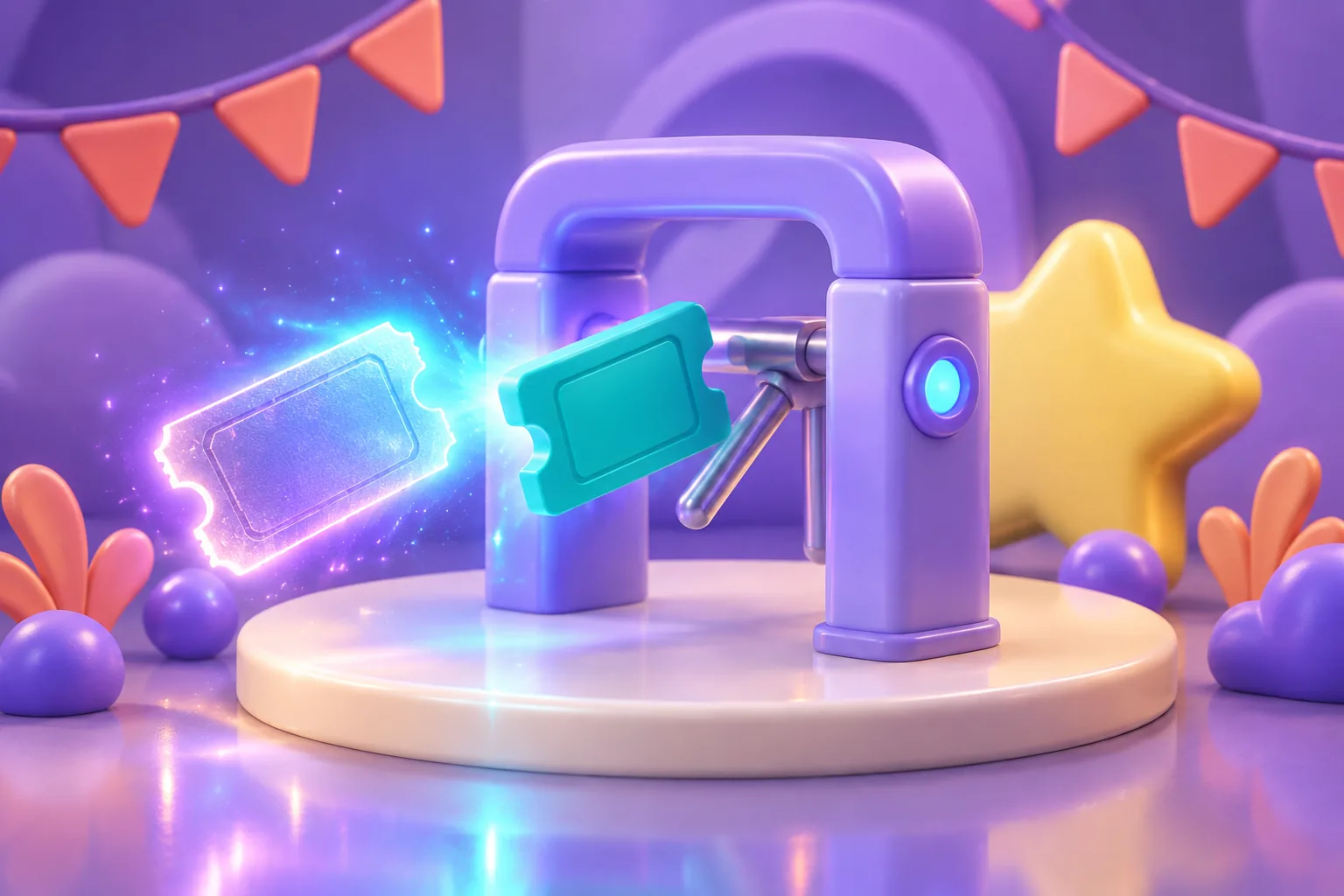
The pass lives in your wallet like any other NFT. When you connect that wallet to a site, event check-in or community tool, it verifies you hold the required token and lets you in:
- Event tickets — the NFT is your ticket; it can be shown or scanned at entry
- Memberships — holding the token keeps you in a club, subscriber tier or loyalty program
- Community access — private Discord channels, chats or forums open only to holders
- Content — articles, videos, drops or downloads unlocked for holders
Unlike a password, the pass is an asset you own: depending on the project, you may be able to sell or transfer your membership or ticket to someone else — which is where resale of access gets interesting, and also where the scams live.
The mechanism: token gating#
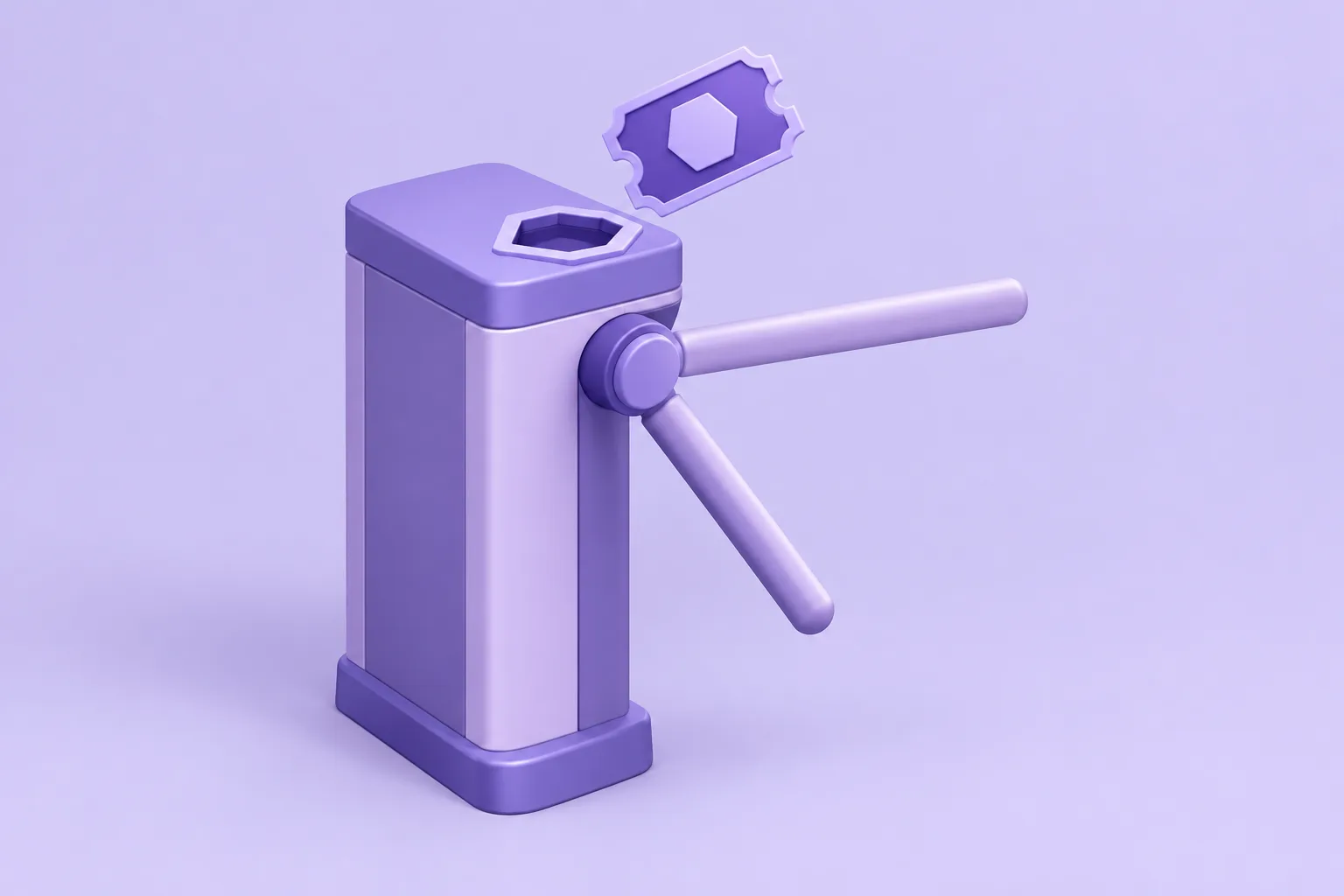
The system that checks your wallet is called token gating. In short:
- You connect your wallet to the gated site or tool
- It checks — via the blockchain — whether your wallet holds the required NFT or token
- Hold it and you’re in; don’t, and you’re not
Token gating is why a single NFT can act as your key across many places, and why NFT communities can run private channels without passwords. It also means access follows the token — sell or transfer the NFT and access moves with it.
Checking your wallet to verify a token is usually a read-only step. Be alert when “verify” asks you to sign a transaction or message that isn’t clearly part of the access check — that’s a common drainer lure. What you’re actually signing explains the difference.
What beginners should watch for#
- Terms vary by project — some passes are transferable, some aren’t; some expire. Check the project’s own terms, not assumptions.
- Fake passes exist — verify the official collection before buying a ticket or membership secondhand (see checking if a project is legit and fake marketplace red flags).
- Access promises aren’t guaranteed — a pass only delivers what its issuer honours; communities and perks can change or disappear.
- Allowlists are different — an allowlist spot is permission to mint early, not an access pass itself; don’t confuse the two.
Bottom line#
Tickets, memberships and access passes are NFTs doing a job: proving you’re entitled to something. Token gating is the wallet-check that makes it work. Buy them only where you trust the issuer, verify before you connect, and remember the access is only as real as whoever honours it.
Affiliate Disclosure#
Some of the links on this page may be affiliate links. This means that if you choose to sign up or make a purchase through these links, NFT Universe may earn a commission at no additional cost to you.
We only recommend wallets, exchanges, and tools that we believe are reputable and useful for NFT users. All opinions expressed on this site are our own, and affiliate relationships do not influence our recommendations.